Introduction: 2026 Isn’t Just “New Algorithms”—It’s New Discovery
From algorithms to ai.
For years, creators talked about “beating the algorithm.” The assumption was that if you learned the platform’s rules—timing, hashtags, trends, hooks—you could reliably earn reach.
In 2026, that mental model is outdated. It’s now seen as from algorithm to AI.
Social media marketing in 2026 is moving from **algorithmic distribution** (rules-based ranking) to **AI-powered discovery** (meaning-based matchmaking).
Platforms are increasingly using AI to understand:
– what your content is *about*,
– who it’s *for*,
– how *useful* or *satisfying* it is,
– and whether it’s likely to create return behavior.
That shift changes everything.
It means you can’t rely on surface tactics alone.
You can’t build a durable business on trend-chasing and posting volume. And you definitely can’t win long-term if your content is unclear, generic, or built without a real system behind it.
The good news? AI discovery makes the playing field more fair for creators who bring clarity, structure, and real value.
This post will show you the new rules—so you can build content that gets found, trusted, and converted into leads and revenue in 2026.
The Big Shift: From Ranking Content to Understanding Content
Traditional “algorithms” mostly ranked content based on signals like:
– engagement velocity,
– likes/comments,
– watch time,
– follower relationships,
– and historic performance.
In 2026, AI discovery layers something more powerful on top:
– language understanding,
– topic recognition,
– intent prediction,
– user satisfaction modeling,
– and content-to-user matching at scale.
What this means in plain terms
Platforms aren’t only asking: “Is this post performing?”
They’re increasingly asking: “What is this content **meaningfully** about, and who will benefit from it?”
So the new competition isn’t “who posted the most.”
It’s “who is the clearest, most useful match for the audience.”

Rule #1 in 2026: Clarity Is the New Growth Hack
In AI discovery systems, clarity is not a branding preference. It’s a distribution advantage.
What “clarity” looks like
– You talk about consistent topics (not random variety).
– Your hooks name a specific problem and a specific outcome.
– Your captions and titles include obvious keywords.
– Your content has structure: steps, frameworks, checklists.
– Your bio and profile make it easy to understand who you help.
What happens when you’re clear
– Platforms can categorize you faster.
– Your content gets recommended to the *right* people more consistently.
– Viewers instantly know “this is for me,” so retention improves.
– Saves and shares increase because your content feels useful.
Quick clarity test
If someone watched 3 pieces of your content, could they answer:
– What do you teach?
– Who is it for?
– What outcome do you help people achieve?
If not, clarity is your first upgrade in 2026.

Rule #2: “Search + Suggest” Is Becoming the Default Discovery Loop
In 2026, discovery is not only feed-based. It’s a loop:
1) People search for answers inside platforms.
2) Platforms suggest content related to what they searched.
3) AI systems summarize and surface content that matches the query.
4) Users then follow, save, or binge content if it delivers.
Why this matters
Creators who write and speak in a way that matches real search queries will win more consistent, compounding growth.
That means your content should include language like:
– “how to…”
– “best way to…”
– “why your…”
– “step-by-step…”
– “checklist…”
– “template…”
This applies to:
– blog posts (Google + AI search)
– YouTube (search-based discovery)
– TikTok and Instagram (social search growth)
– LinkedIn (topic distribution + search)
**2026 takeaway:** Your content should be searchable *and* bingeable.
Rule #3: Trust Signals Beat Engagement Signals
In 2026, likes are cheap. Trust is expensive.
Platforms increasingly optimize for user satisfaction and retention, which often correlates more with **trust signals** than with flashy engagement.
Trust signals (high value in 2026)
– Saves (usefulness)
– Shares (recommendation)
– Meaningful comments (real interest)
– DMs and replies (relationship)
– Repeat viewers (return behavior)
– Multi-post consumption (binge behavior)
– Link clicks and profile actions (intent)
Low-quality signals (still useful, but less “meaningful”)
– quick likes
– “fire emoji” comments
– views without retention
– follower count without conversion
**2026 takeaway:** build content people keep, share, and revisit.
Rule #4: Context Is the New “Hook”
Hooks still matter in 2026, but not in the old way.
The old hook strategy was mostly about grabbing attention with dramatic statements. The new hook strategy is about giving the viewer **context instantly**:
– What is this about?
– Who is this for?
– What will I get from it?
The best 2026 hook formula
**Problem + audience + outcome**
Examples (MMO / digital marketing):
– “If you’re a beginner and your funnel isn’t converting, fix this first.”
– “If your emails get opens but no clicks, your offer is unclear—here’s how to tighten it.”
– “If you’re posting daily and still not getting leads, you’re missing a strategy bridge.”
Hooks that win in 2026 feel like a **clear promise**, not a dramatic headline.
Rule #5: Your “Knowledge Graph” Matters (Even If You Never Use That Term)
You don’t need to be technical to benefit from this.
Think of a “knowledge graph” as the web of meaning around your brand:
– what topics you consistently cover,
– how those topics connect,
– and how easily systems can associate you with those topics.
How to build a strong topic identity in 2026
1) Pick 3–5 core pillars (topics you’ll be known for).
2) Create repeated subtopics inside each pillar.
3) Use consistent language (keywords) across posts.
4) Publish series-based content (so your topic identity compounds).
If you want AI systems to “know what you’re about,” repetition is not boring—it’s branding and discovery fuel.
Rule #6: AI Content Raises the Floor—But It Also Raises Suspicion
As AI content becomes more common, audiences become more skeptical.
In 2026, your advantage is not “perfect writing.” It’s **proof, perspective, and specificity**.
The 3 credibility multipliers
1) Proof
– show screenshots (with context)
– show builds
– show before/after rewrites
– show case studies
– show process
2) Perspective
A strong point of view makes your content harder to replace with generic tips.
Example POV statements:
– “Posting daily is not strategy.”
– “Followers are not a business model.”
– “A funnel without email is a leaky bucket.”
3) Specificity
Instead of “improve your content,” say:
– “use 3-step frameworks”
– “write subject lines with specificity + implied benefit”
– “design landing pages with one CTA and one promise”
Platform Strategy in 2026: Where AI Discovery Shows Up the Most
AI discovery affects every platform, but it shows up differently in each environment.
YouTube: Search + Suggested + Long-term compounding
YouTube remains the strongest “evergreen authority” platform because content can rank for years. Titles, topics, and watch time matter—and series content builds binge behavior.
Instagram: Recommendations + Relationship layer
Instagram is strong for discovery via Reels and for conversion via Stories/DMs. In 2026, consistency of topic + relationship touchpoints is the combo.
TikTok: Fast discovery, high volatility
TikTok is powerful for rapid discovery, but it can be volatile. It works best when you can deliver clear, high-signal ideas quickly and funnel people into email or long-form content.
LinkedIn: Topic distribution + credibility signals
LinkedIn rewards clarity, frameworks, case studies, and conversation. It’s strong for B2B, coaching, professional services, and education.
Pinterest: Search intent + long shelf life
Pinterest is underrated for niches with visual solutions and evergreen search demand (recipes, home, style, fitness, DIY, and increasingly digital products).
It’s not “social” in the traditional way, but it’s a discovery engine.
Best Social Platforms by Niche in 2026 (Creator-Friendly Guide)
Make Money Online (MMO) / Digital Marketing
**Best primary platforms:** YouTube, Instagram (Reels + Stories)
**Best supporting channels:** Email list + blog/SEO + community
**Why:** You need trust and proof. YouTube does depth. Instagram does daily relationship. Email converts.
Coaching / Consulting / Education
**Best primary platforms:** YouTube, LinkedIn
**Best supporting channels:** Newsletter + workshops
**Why:** credibility-based niches require structured teaching and repeat exposure.
E-commerce / Product Brands
**Best primary platforms:** TikTok, Instagram, Shorts
**Best supporting channels:** Email + SMS + UGC partnerships
**Why:** demonstration + social proof drives conversion.
B2B / SaaS / Agencies
**Best primary platforms:** LinkedIn, YouTube
**Best supporting channels:** Case studies + webinars + email
**Why:** buyers want clarity, proof, and reduced risk.
Creative Skills
**Best primary platforms:** Instagram, TikTok, YouTube
**Best supporting channels:** portfolio + templates/products + email
**Why:** proof (before/after) + process content compounds.
Local Business
**Best primary platforms:** Instagram, TikTok
**Best supporting channels:** reviews + partnerships + SMS/email
**Why:** proximity + vibe + proof drives local conversion.
The 2026 Content Blueprint: Build for Humans First, Machines Second
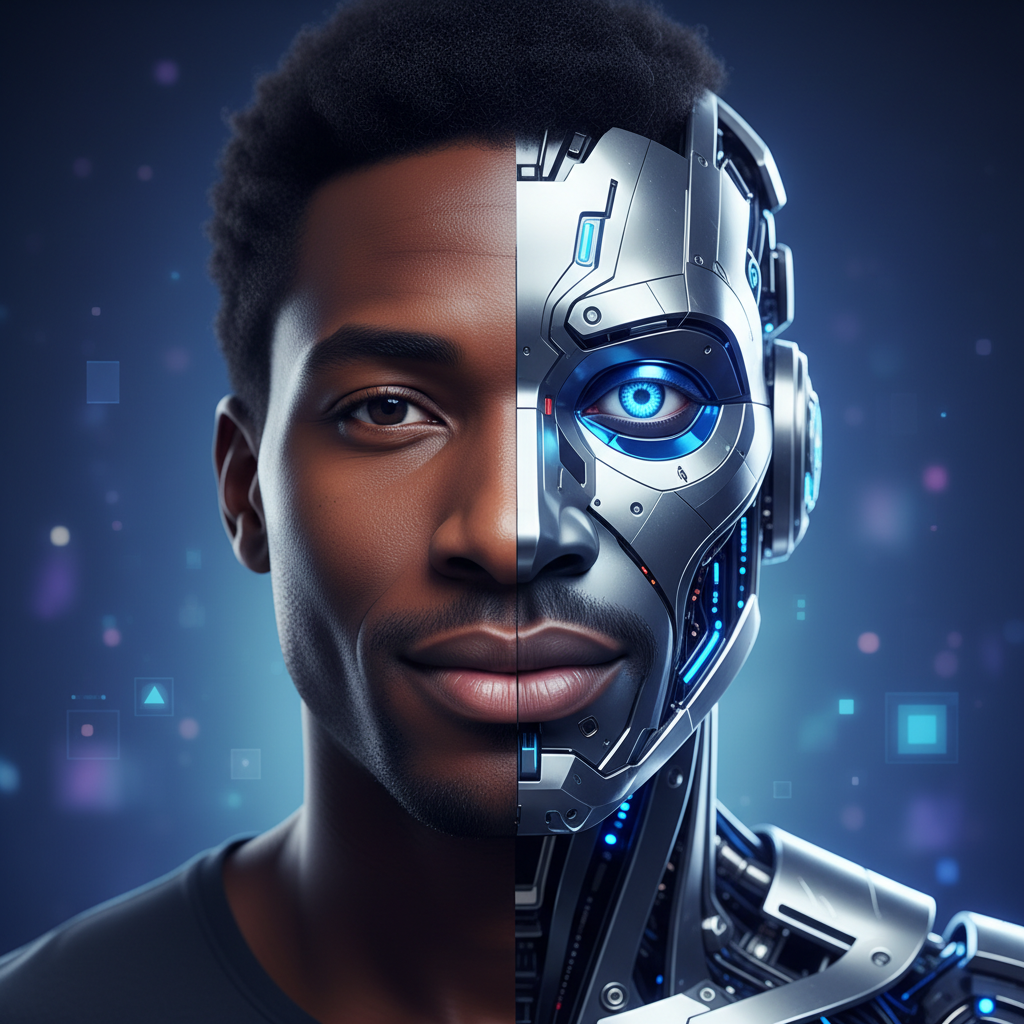
You don’t “optimize for AI.” You optimize for humans in a structured way that AI can interpret.
Here’s the blueprint.
1) Use the “Answer + Framework + Proof” sequence
This is the most reliable content trilogy in 2026.
– **Answer content:** one question, one clear solution
– **Framework content:** a repeatable method (steps, checklist)
– **Proof content:** examples, case study, behind-the-scenes
If you repeat this sequence across your pillars, your authority compounds fast.
2) Make your titles and headings do the heavy lifting
Even for short-form, you can use on-screen text and captions like headings:
– “How to build a funnel for a $97 offer”
– “The 5-email welcome sequence (template)”
– “3 reasons your content isn’t converting to leads”
3) Create series content to trigger return behavior
Series content is a hidden cheat code because it creates expectation.
Series ideas for Your Digital Breakthrough:
– “Funnel Fix Fridays”
– “Email Rewrite Monday”
– “Offer Clarity Clinic”
– “Beginner Marketing Systems”
The Conversion Layer: AI Discovery Is Useless If You Can’t Capture the Win
AI discovery gets you attention. Strategy converts it into assets.
The simplest 2026 conversion path
**Content → Lead magnet → Email nurture → Offer**
The key is that the lead magnet must match your content pillars.
For MMO/digital marketing, strong lead magnets include:
– funnel checklist
– landing page template
– email subject line swipe file
– welcome sequence template
– “first $97 offer” blueprint
The “One-Step CTA” rule
In 2026, avoid giving people too many CTAs. Use one primary next step per content lane.
Examples:
– Educational posts → “Get the checklist”
– Case study posts → “Reply ‘PLAN’ and I’ll send it”
– Relationship posts → “Tell me where you’re stuck”
A 2026 Execution Checklist (Print This)
Use this checklist to align your content with AI discovery and real conversion.
Clarity Checklist
– My niche is specific enough to be remembered.
– My bio clearly states who I help and what outcome I deliver.
– My last 10 posts fit inside 3–5 pillars.
Search + AI checklist
– My titles/captions use question-based language.
– I include direct answers and step-by-step frameworks.
– I use FAQs in long-form content (blog/YouTube descriptions).
Trust Checklist
– I publish proof weekly (builds, rewrites, case studies).
– My content includes examples and specifics (not vague tips).
– My CTAs feel like helpful next steps, not constant pitching.
Conversion Checklist
– I have one lead magnet connected to my #1 pillar.
– I have a simple email sequence that nurtures and invites.
– I track opt-ins, link clicks, and intent-based DMs weekly.
Metrics to Track in 2026 (AI Discovery Edition)
Discovery Metrics
– impressions/reach
– profile visits
– non-follower reach
– top search queries (where available)
Satisfaction + Trust Metrics
– saves
– shares
– average watch time / completion rate
– comments with substance
– repeat viewers
Business Metrics
– email opt-ins
– click-through rate
– replies/DMs that signal intent
– sales or calls booked
The goal is not to “go viral.” The goal is to compound trust and capture outcomes.
Common Mistakes in 2026 (That Make Great Creators Invisible)
Mistake 1: Topic Chaos
If your content is about everything, AI systems can’t categorize you—and people can’t remember you.
Mistake 2: No Structure
Unstructured content is harder to save, share, and summarize.
Mistake 3: No Proof
Claims without proof lose in 2026 because audiences are more skeptical.
Mistake 4: No bridge off-platform
If you don’t collect emails or build community, your growth remains rented.
Mistake 5: Optimizing for tactics instead of fundamentals
Hashtags, timing, and trends can help—*after* clarity, structure, and proof are in place.
FAQ: Social Media Marketing in 2026 (Algorithms to AI)
What is the biggest change in social media marketing in 2026?
Discovery is increasingly AI-powered, meaning-based, and satisfaction-driven. Clarity and usefulness matter more than posting volume.
Do hashtags still matter in 2026?
They can help lightly, but they’re not the foundation. Topic clarity, strong hooks, and content structure matter more.
How do I get my content picked up in AI searches?
Use clear headings, direct answers, frameworks, and natural-language FAQs. Consistent topic coverage helps AI associate you with a niche.
What platforms will be best in 2026?
It depends on your niche. YouTube and Instagram are strong for creators in education/MMO.
LinkedIn is strong for B2B and professional services. TikTok is strong for fast discovery when paired with an owned-media bridge.
How often should I post in 2026?
Post as often as you can maintain quality. A strategic cadence with high-signal content beats daily low-value posting.
How do I build trust faster in 2026?
Publish proof consistently, teach with specificity, and build series content that creates return behavior.
What matters more—followers or email subscribers?
Email subscribers. Followers are rented attention; subscribers are an owned relationship you can compound.
Final Thoughts: The 2026 Winners Will Be Understood, Not Just Seen
In 2026, social platforms are getting better at understanding meaning—and audiences are getting better at filtering noise.
So your advantage is not volume. Your advantage is being:
– **clearer**,
– **more useful**,
– **more structured**,
– and **more proven** than everyone else in your niche.
If you build your content around clarity, frameworks, proof, and a conversion bridge, AI discovery becomes a multiplier—not a mystery.
That’s how you win social media marketing in 2026.
BONUS VIDEO
6 Social Media Trends That Will Define 2026
> **Series complete:** You now have a full 2026 social media cluster: Pillar + Posts #2–#5. Next, if you want, I can provide a clean internal linking map (exact anchor text + placements) across all posts so your site forms a strong topical cluster.