
Building An Email List From Your New Blog as a Beginner
Plenty of new bloggers, especially retirees, think they started too late. That fear makes sense, but it isn’t true.
People don’t subscribe because you’re famous.
They subscribe because your blog gives them one clear reason to come back.
That reason might be saving money, learning a simple skill, or finding a realistic way to earn online.
A small, helpful blog can beat a big, unfocused one every time.
If you want to start building an email list, focus on trust, useful content, and an easy sign-up path. Once those pieces are in place, steady subscriber growth becomes much more realistic.
Start with a reader problem you can solve
Most people join a blog list because they want help with something specific. They aren’t looking for “updates.” They want progress.
That matters even more when you’re new. A blog about “life after retirement” is broad.
A blog about “stretching retirement income with simple side hustles” is clear.
Clear blogs attract better subscribers because readers know what they’ll get.
You don’t need a fancy niche. Start with your own experience.
Maybe you know how to lower grocery costs, start a small garden, sell handmade items, use Pinterest for traffic, or learn simple online tools without stress.
Those are real problems, and real problems bring real readers.
Pick one promise your blog can deliver
Your promise is the result readers expect from you. Keep it small and plain.
Instead of “I help people blog,” try “I help retirees start a simple blog that can earn its first income.” Instead of “I write about saving money,” try “I share easy ways to cut monthly costs after retirement.”
A clear promise should show up in your homepage message, your post topics, and your freebie.
When those pieces match, trust grows faster. If you want a good overview of what still works this year, this friendly guide for bloggers makes the same point, value first, then a simple sign-up.
People subscribe for help, not for headlines about your latest post.
Write for one type of person first
Picture one reader. Make that person real.
Maybe she’s a retired nurse who wants an extra $300 a month.
Maybe he’s a new blogger who feels lost every time he opens WordPress. When you write for one person, your posts sound warmer and clearer.
That also keeps you from writing vague content.
A post called “Ways to Make Money Online” is easy to skip. A post called “Three blog income ideas for retirees who don’t want to show their face” feels useful.
Give people a reason to sign up right away
Once a visitor likes your content, don’t make them guess the next step. Give them a reason to join your list today.
A free lead magnet still works in 2026 because inboxes are crowded.
People protect their email address.
They’ll trade it only for something that feels worth it, and that “something” should solve one small problem fast.
Create a small freebie that feels truly useful
Your freebie doesn’t need to be long. It needs to be helpful.
Good beginner options include:
- A one-page checklist for starting a blog
- A short PDF with five side-income ideas for retirees
- A printable weekly planner for content ideas
- A simple resource list with your favorite free tools
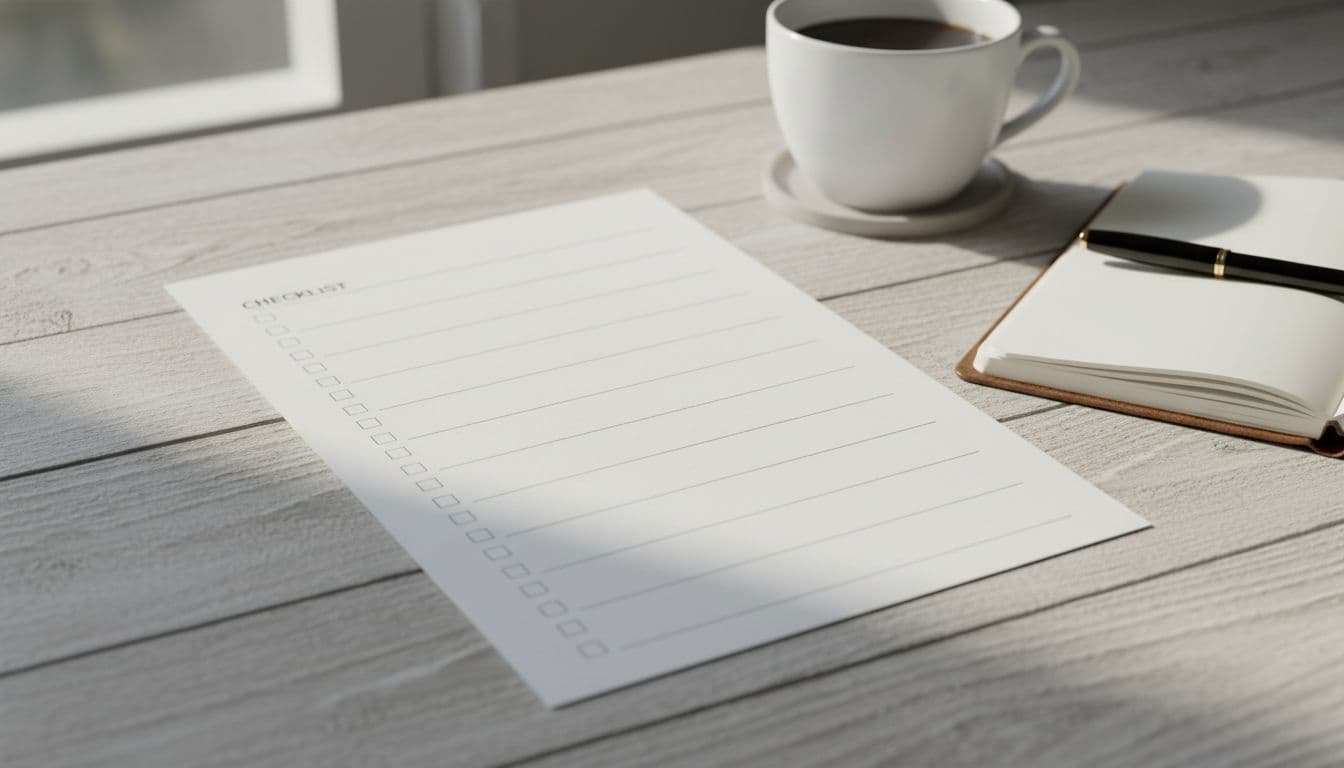
The best freebie gives a fast win. If your blog teaches Pinterest, offer a pin template checklist.
If your blog teaches thrift, offer a weekly savings tracker. Match matters more than size.
Also, set up an automatic welcome email that delivers the freebie right away. That first email starts the relationship.
If you need help choosing tools, this guide on the best email marketing platforms 2026 is a useful place to compare beginner-friendly options.
For a second take on setup and welcome emails, this guide for new bloggers is worth reading.
Place signup forms where readers naturally look
Put your form where attention already goes. Your homepage should mention the freebie near the top.
Add a form at the end of blog posts, because that’s where interested readers pause. If your site has a sidebar, keep one form there too.
You can also place a sign-up box inside long helpful posts. That often works better than a pop-up because it feels natural. Keep the form short, usually name and email only.
A cluttered page hurts more than it helps. One clear offer repeated a few times is enough.
Bring in the right traffic, then make subscribing easy
Traffic helps, but only if the visitors match your topic. A hundred good readers beat a thousand random clicks.
For beginners in 2026, the simplest traffic sources are still search, Pinterest, online communities, and light social sharing.
You don’t need to be everywhere. Pick one or two places you can show up consistently.
Write posts around questions people already ask
Start with questions people type into search bars. Use Google autocomplete, Pinterest search suggestions, and forums where beginners ask for help.
If you blog for retirees, a post like “How to start a blog after retirement with a small budget” is stronger than “My blogging journey.”
The first post matches what people are already seeking. That brings in readers who are more likely to subscribe because they came for a solution.
Helpful, specific posts also age well. A strong tutorial can keep attracting subscribers month after month.
This 2026 guide to building a blog email list shows how topic choice, forms, and welcome emails work together.
Use one post in more than one place
One blog post can do more work than most beginners think.
After you publish, turn the same idea into a Pinterest pin, two short social posts, a short email, and a useful comment or answer in a niche group.

That saves time, and it keeps your message consistent. You aren’t creating more work. You’re giving the same helpful idea more chances to be seen.
Stay practical here. Share a tip, then point people to the full post or freebie.
Don’t paste links everywhere without context. A calm, useful presence builds trust faster than constant promotion.
Final Thoughts
You don’t need a polished brand or a huge audience to get your first subscribers. You need one clear problem to solve, one useful freebie, and one easy way to join your list.
That is the heart of building an email list as a beginner.
If your blog helps the right person, makes a simple promise, and keeps the sign-up process easy, subscribers will come.
Starting later doesn’t put you behind. It often makes your advice more useful, and that is what readers remember.