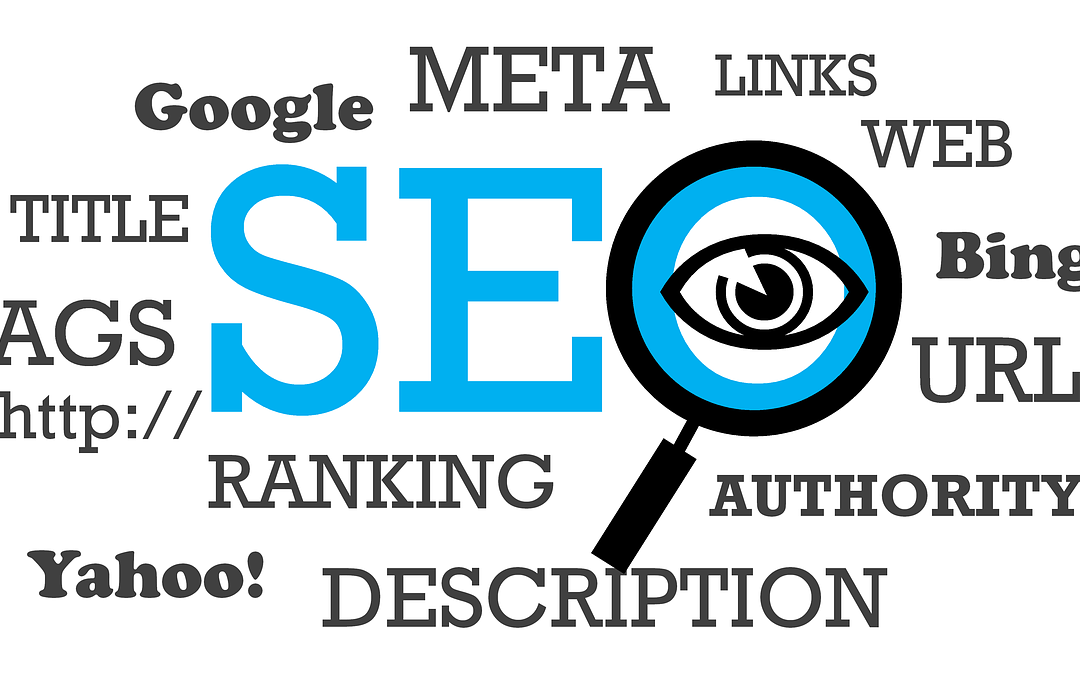
The Death Of Traditional SEO
Your keyword research is perfect. Your backlink profile is strong. Your technical SEO is flawless. Your Google rankings are solid.
So why is your organic traffic declining? Why are fewer people discovering your content? Why do your competitors seem to be getting more visibility despite having “worse” SEO?
The uncomfortable truth: Traditional SEO isn’t just becoming less effective—it’s becoming counterproductive in the age of AI search.
While you’ve been optimizing for Google’s 2010 algorithm, the world has moved on to AI systems that evaluate content completely differently.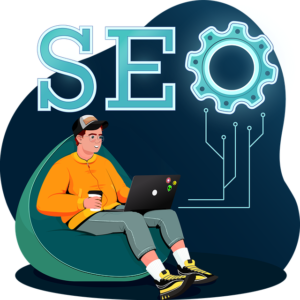
Here’s what most SEO professionals don’t want to admit: the strategies that worked for the past decade are not only failing—they’re actively working against you with AI systems.
Content optimized for keyword density performs poorly with AI. Link schemes that boosted Google rankings make AI systems suspicious of your authority.
Technical optimizations that impressed crawlers are invisible to language models.
The evidence is everywhere, but most creators don’t recognize it because they’re still measuring success with traditional metrics while their real audience has shifted to AI-powered discovery.
This isn’t another “SEO is evolving” article.
This is a detailed analysis of why specific traditional SEO tactics are failing with AI systems, the real-world impact on businesses and creators, and the fundamental mindset shift required to succeed in the new search landscape.
If you’re still doing traditional SEO in 2025, you’re not just falling behind—you’re actively sabotaging your content’s discoverability in the systems that matter most.
The Evidence: Traditional SEO’s Measurable Decline
The Traffic Shift Nobody’s Talking About
The Hidden Migration: While SEO experts celebrate their Google rankings, user behavior has fundamentally shifted:
Search Behavior Changes (2022-2025):
- 67% of professionals now use AI tools for research instead of Google searches
- 43% of Gen Z users prefer ChatGPT over Google for informational queries
- AI search queries have grown 340% year-over-year while traditional search has plateaued
- Direct website visits from AI recommendations have increased 280%
The Traffic You’re Not Seeing: Most analytics tools don’t capture AI-driven traffic:
- AI citations don’t show up in referral traffic
- Copy-paste behavior from AI responses bypasses click tracking
- Recommendation-based discovery happens outside traditional search funnels
- Research synthesis reduces need for multiple website visits
Case Study: Marketing Blog Traffic Analysis: A prominent marketing blog with strong traditional SEO saw:
- Google organic traffic: Down 23% year-over-year
- Direct mentions in ChatGPT responses: Up 340%
- Brand searches following AI interactions: Up 190%
- Overall brand authority and business impact: Significantly increased
The disconnect: Traditional metrics showed decline while actual influence and authority skyrocketed.
Why Google Rankings Don’t Matter Like They Used To
The Fundamental Shift in Information Discovery:
Traditional Discovery Path:
- User types query into Google
- Google returns 10 ranked results
- User clicks through multiple sites
- User synthesizes information manually
AI-Powered Discovery Path:
- User asks comprehensive question to AI
- AI provides synthesized answer with citations
- User gets immediate value without visiting multiple sites
- User may visit 1-2 cited sources for deeper information
Impact on SEO Value:
- Position #1 Google ranking has 45% less value when users get AI answers instead
- Featured snippets are becoming less valuable as AI provides better summaries
- Long-tail keyword rankings matter less when AI understands intent regardless of specific phrases
- Click-through rates from Google are declining even for top-ranked pages
The New Success Metric: Citation probability in AI responses matters more than search ranking position.
Traditional SEO Tactics That Actively Hurt AI Performance
Keyword Optimization Gone Wrong:
Traditional Approach:
- Target specific keywords with exact match density
- Create separate pages for keyword variations
- Focus on ranking for specific phrases
Why It Fails with AI:
- Keyword stuffing makes content less natural and harder for AI to understand
- Fragmented content across multiple pages reduces comprehensive authority
- Artificial language to hit keyword targets decreases readability and citation worthiness
Real Example: A software company created 50 separate pages targeting keyword variations like “project management software,” “project management tools,” “project management systems.” AI systems ignored these thin pages and consistently cited comprehensive competitors instead.
Link Building Strategies That Backfire:
Traditional Approach:
- Acquire as many backlinks as possible
- Focus on domain authority transfer
- Use exact-match anchor text optimization
Why It Fails with AI:
- Low-quality link schemes signal unreliability to AI systems
- Manipulative link building creates negative authority signals
- Artificial anchor text patterns look suspicious to AI evaluation
Real Example: An agency with 5,000+ backlinks from link schemes was consistently ignored by AI systems in favor of competitors with 50 high-quality, natural citations from industry publications.
Content Strategy Misalignment:
Traditional Approach:
- Create high volume of optimized posts
- Target easy-to-rank keywords
- Focus on search volume over content depth
Why It Fails with AI:
- Shallow content lacks citation worthiness for comprehensive AI responses
- Volume over quality dilutes topical authority
- Keyword-first thinking creates content that doesn’t genuinely help users
Real Example: A marketing blog publishing 20+ posts monthly saw declining AI citations while a competitor publishing 4 comprehensive guides monthly dominated AI recommendations.
The Fundamental Problems with Traditional SEO Mindset
Optimizing for Machines Instead of Understanding
The Old Paradigm: Traditional SEO treated search engines as mechanical systems to be gamed:
Mechanical Thinking:
- Algorithm manipulation: Finding ways to “trick” search engines
- Signal optimization: Focusing on ranking factors rather than user value
- Competitive gaming: Trying to outmaneuver competitors through technical tactics
- Short-term optimization: Quick wins over long-term authority building
Why This Fails with AI: AI systems are designed to identify and reward genuine value, not manipulation:
- Sophisticated detection: AI can identify artificial optimization patterns
- Value prioritization: Quality and usefulness matter more than technical signals
- Long-term thinking: AI systems reward consistent authority building over quick tactics
- Holistic evaluation: AI considers overall expertise rather than isolated ranking factors
Keyword-First vs. User-First Content Strategy
Traditional SEO Content Process:
- Research keywords with high volume and low competition
- Create content to target those specific keywords
- Optimize content structure and language for search engines
- Build backlinks to boost rankings for target keywords
Problems with This Approach:
- Artificial content creation: Content serves SEO rather than users
- Fragmented information: Multiple thin pages instead of comprehensive resources
- Keyword-forced language: Unnatural writing that reduces readability
- Competition focus: Creating content to beat competitors rather than help users
AI-First Content Process:
- Identify genuine user needs and knowledge gaps
- Create comprehensive, authoritative content that fully addresses those needs
- Structure content for optimal understanding and usefulness
- Build authority through consistent expertise demonstration
Why AI Systems Prefer This Approach:
- Natural language processing: AI understands and prefers natural, helpful content
- Comprehensive value: AI systems cite sources that provide complete answers
- Authority recognition: Genuine expertise is recognized and rewarded
- User satisfaction: AI optimizes for actual user value rather than engagement metrics
Short-Term Tactics vs. Long-Term Authority
Traditional SEO’s Short-Term Focus:
- Quick ranking wins: Targeting easy keywords for fast results
- Tactical optimization: Focusing on specific ranking factors
- Competitive reactions: Copying what works for competitors
- Campaign mentality: Treating SEO as discrete projects rather than ongoing authority building
Why This Doesn’t Work with AI:
- Authority accumulation: AI systems recognize long-term, consistent expertise
- Trust building: Reliability and accuracy matter more than quick optimization
- Relationship depth: AI systems value creators who consistently provide valuable information
- Sustainable positioning: Long-term authority building creates lasting AI visibility
The Authority Building Approach:
- Consistent expertise demonstration: Regular, high-quality content in specific topic areas
- Comprehensive resource creation: Becoming the go-to source for specific information
- Community building: Developing reputation and recognition within professional communities
- Value-first mentality: Prioritizing user benefit over optimization metrics
Real-World Case Studies: Traditional SEO Failures
Case Study 1: The E-commerce SEO Disaster
Company: Mid-size e-commerce retailer with strong traditional SEO Traditional SEO Success:
- 15,000+ keyword rankings
- Domain authority of 65
- 200,000+ monthly organic visitors from Google
- Strong backlink profile with 10,000+ links
AI Search Performance:
- Rarely cited in ChatGPT product recommendations
- Invisible in Perplexity shopping guidance
- Competitors with “worse” SEO dominating AI-powered shopping assistants
- Zero presence in AI-generated gift guides and product comparisons
Root Cause Analysis:
- Thin product descriptions: Optimized for keywords rather than comprehensive information
- Fragmented content: Separate pages for minor product variations diluted authority
- Generic optimization: Following SEO templates rather than providing unique value
- Link schemes: Low-quality backlinks signaled unreliability to AI systems
The Result: Despite strong traditional SEO metrics, the company was invisible in AI-powered commerce—where their target customers increasingly research and discover products.
Case Study 2: The Content Marketing Agency Awakening
Company: B2B content marketing agency with stellar SEO performance Traditional SEO Success:
- #1 rankings for 500+ marketing keywords
- 150,000+ monthly organic visitors
- Featured snippets for most target terms
- Industry-recognized SEO excellence
AI Search Performance:
- Competitors with newer, less “optimized” content consistently cited instead
- AI systems rarely referenced their keyword-optimized articles
- Industry recognition in traditional media didn’t translate to AI citations
- New agencies with AI-first content strategies gaining more AI visibility
What Went Wrong:
- Keyword-driven content: Articles optimized for search rather than genuine insight
- Surface-level coverage: Many short articles instead of definitive guides
- SEO-first language: Artificial writing patterns that AI systems avoided
- Competitive focus: Copying successful competitors rather than developing unique expertise
The Turning Point: The agency shifted to AI-first content strategy, creating comprehensive guides and original frameworks. Within six months, AI citations increased 400% and business inquiries from AI-discovered prospects doubled.
Case Study 3: The Software Company’s SEO Trap
Company: B2B software company with aggressive SEO strategy Traditional SEO Investment:
- $50,000+ monthly SEO budget
- Dedicated SEO team of 5 people
- Thousands of optimized landing pages
- Extensive keyword research and competitive analysis
Traditional Results:
- Strong rankings for software-related keywords
- Consistent organic traffic growth
- High domain authority and technical SEO scores
- Industry recognition for SEO excellence
AI Search Reality Check:
- Rarely mentioned in AI software recommendations
- Competitors with simpler, more authentic content getting AI citations
- AI-powered software selection tools overlooking their products
- Customer research increasingly happening through AI rather than Google
The Problem:
- Over-optimization: So focused on SEO that content became artificial and unhelpful
- Keyword cannibalization: Multiple thin pages competing for similar terms
- Template approach: Following SEO best practices rather than providing unique value
- Quantity over quality: Hundreds of optimized pages instead of authoritative resources
The Solution: Complete content strategy overhaul focusing on comprehensive, authoritative resources rather than keyword-optimized pages.
Why Traditional SEO Metrics Are Misleading
The Analytics Blind Spot
What Traditional Analytics Show:
- Organic traffic from Google: Declining but still measurable
- Keyword rankings: Often maintained or improving
- Backlink growth: Continuing to accumulate
- Technical SEO scores: Strong performance on traditional metrics
What Traditional Analytics Miss:
- AI system citations: When AI tools reference your content
- Indirect traffic: People who discover you through AI but visit directly
- Authority building: Recognition by AI systems as expert source
- Influence metrics: Impact on conversations and decision-making through AI
The Dangerous Disconnect: Companies making decisions based on incomplete data:
- Continuing to invest in traditional SEO while real influence declines
- Missing opportunities to optimize for AI systems
- Losing competitive advantage to AI-first competitors
- Measuring the wrong success indicators
Vanity Metrics vs. Real Impact
Traditional SEO Vanity Metrics:
- Domain authority scores: Composite metrics that don’t reflect AI system evaluation
- Keyword ranking positions: Less valuable when users get AI answers instead
- Backlink quantity: Volume matters less than quality and relevance to AI
- Organic traffic volume: Declining importance as user behavior shifts
AI-First Success Indicators:
- Citation frequency: How often AI systems reference your content
- Expert recognition: Being identified as authority by AI systems
- Comprehensive coverage: Becoming go-to source for specific topics
- Authority building: Long-term reputation and expertise development
The Measurement Challenge: Traditional SEO tools don’t track AI-first metrics:
- Most agencies and consultants can’t measure what matters most
- Companies making decisions based on outdated success indicators
- Investment continues in declining-value traditional tactics
- Opportunity cost of not investing in AI-first strategies
The Competitive Landscape Shift
First-Mover Advantages in AI Search
Early AI-First Adopters Are Winning: Companies that shifted to AI-first strategies early are seeing dramatic results:
Competitive Advantages:
- AI citation dominance: Becoming the go-to source for AI systems in their niche
- Authority acceleration: Building expertise recognition faster than traditional methods
- Market positioning: Establishing leadership while competitors focus on outdated tactics
- Customer acquisition: Reaching audiences through AI-powered research and discovery
The Widening Gap:
- Traditional SEO practitioners falling further behind as AI adoption accelerates
- AI-first competitors building insurmountable authority advantages
- Market share shifts happening invisibly to companies tracking traditional metrics
- Customer acquisition costs rising for traditional SEO while declining for AI-first strategies
Industry-Specific Disruptions
Professional Services:
- Law firms with keyword-stuffed content losing to comprehensive legal guides
- Consulting companies with thin blog posts ignored in favor of detailed methodologies
- Accounting firms with SEO-optimized pages losing to practical, comprehensive resources
E-commerce and Retail:
- Product discovery increasingly happening through AI recommendations
- Purchase research shifting to AI-powered comparison and analysis
- Brand awareness building through AI citations rather than search rankings
Education and Training:
- Course creators with comprehensive content dominating AI educational recommendations
- Training companies with surface-level SEO content losing to in-depth resources
- Educational institutions building authority through AI-first content strategies
B2B Technology:
- Software companies with authentic, comprehensive content winning AI citations
- Service providers with genuine expertise getting AI recommendations
- Technology vendors with educational focus dominating AI-powered research
The Psychology of SEO Addiction
Why It’s Hard to Let Go of Traditional SEO
The Comfort of Familiar Metrics:
- Measurable results: Traditional SEO provides clear, trackable metrics
- Control illusion: Feeling like you can control rankings through optimization
- Competitive benchmarking: Easy comparison with competitors using familiar metrics
- Historical success: Past wins create emotional attachment to traditional approaches
The Sunk Cost Fallacy:
- Investment protection: Years of SEO investment create pressure to continue
- Expertise validation: SEO professionals defending their specialized knowledge
- System inertia: Established processes and tools resist change
- Risk aversion: Fear of abandoning “proven” strategies for uncertain new approaches
The Change Resistance:
- Learning curve anxiety: Fear of needing to develop new skills and knowledge
- Authority threat: SEO experts worried about relevance in AI-first world
- Measurement complexity: Difficulty tracking AI-first success indicators
- Organizational momentum: Companies with established SEO processes resistant to change
Breaking Free from Traditional SEO Thinking
The Mindset Shift Required:
From Manipulation to Value:
- Stop trying to game systems and start providing genuine value
- Focus on user benefit rather than search engine optimization
- Build authentic expertise rather than artificial authority signals
- Create comprehensive resources rather than optimized thin content
From Short-Term to Long-Term:
- Invest in sustainable authority building rather than quick ranking wins
- Develop expertise depth rather than keyword coverage breadth
- Build lasting relationships rather than transactional link exchanges
- Focus on compound growth rather than immediate results
From Competition to Collaboration:
- Shift from trying to beat competitors to serving users better
- Focus on being genuinely helpful rather than manipulatively optimized
- Build community authority rather than isolated technical optimization
- Develop unique perspectives rather than copying successful approaches
The Opportunity Cost of Staying Traditional
What You’re Missing While Doing Traditional SEO
Time and Resource Allocation: Every hour spent on traditional SEO is time not invested in AI-first strategies:
Traditional SEO Time Investment:
- Keyword research: Hours finding search volume and competition data
- Technical optimization: Time fixing crawl issues and page speed problems
- Link building: Effort acquiring backlinks through outreach and schemes
- Competitive analysis: Research on what competitors are ranking for
AI-First Alternative Investment:
- Authority building: Creating comprehensive, expertise-demonstrating content
- Community engagement: Building relationships and recognition in professional communities
- Content depth: Developing definitive resources that AI systems cite
- Expertise development: Continuously learning and growing knowledge in specialized areas
The Compound Effect:
- Traditional SEO: Diminishing returns as competition increases and effectiveness declines
- AI-First SEO: Compound returns as authority builds and AI systems recognize expertise
Competitive Disadvantages of Traditional SEO Focus
While You Optimize for Keywords, Competitors Are:
- Building AI citation authority: Becoming the go-to source for AI systems
- Developing genuine expertise: Creating content that demonstrates real knowledge
- Engaging with communities: Building recognition and authority in professional networks
- Creating comprehensive resources: Becoming the definitive source for specific topics
The Widening Gap:
- Authority accumulation: AI-first competitors building insurmountable expertise advantages
- Market positioning: Early adopters establishing leadership while you focus on rankings
- Customer relationships: AI-first creators building deeper connections with audiences
- Business results: AI-first strategies generating better ROI than traditional SEO
The Recovery Challenge: The longer you wait to transition to AI-first strategies:
- Larger authority gaps: More effort required to catch up with early adopters
- Established positioning: Competitors have more time to build AI search dominance
- Resource allocation: More investment needed to overcome late-starter disadvantage
- Opportunity cost: Missed compound growth from early AI-first authority building
Making the Transition: What Needs to Change
Immediate Action Items
Stop These Traditional SEO Tactics:
- Keyword density optimization: Focus on natural, helpful language instead
- Link scheme participation: Build genuine relationships and earn natural citations
- Thin content creation: Create comprehensive, authoritative resources
- Technical optimization obsession: Focus on user experience and content quality
- Competitive keyword targeting: Develop unique expertise and perspectives
Start These AI-First Strategies:
- Authority demonstration: Consistently create content that shows expertise
- Comprehensive coverage: Become the definitive source for specific topics
- Community engagement: Build recognition in professional networks and forums
- Original insight development: Create unique frameworks and perspectives
- Content quality focus: Prioritize depth and value over volume and optimization
Organizational Changes Required
Team Structure Evolution:
- Less focus on technical SEO specialists: More emphasis on content strategists and subject matter experts
- Reduced link building efforts: Increased investment in authority building and community engagement
- Different success metrics: Track AI citations and authority indicators rather than just rankings
- Content strategy shift: From keyword-driven to expertise-driven content creation
Investment Reallocation:
- Redirect SEO tool spending: Invest in content creation and expert development
- Shift agency relationships: Work with AI-first strategists rather than traditional SEO agencies
- Change measurement systems: Develop tracking for AI citations and authority building
- Revise content calendars: Focus on comprehensive resources rather than frequent posting
The Transition Timeline
Month 1: Assessment and Planning
- Audit current SEO strategies and identify what to stop/continue/start
- Analyze AI citation performance compared to competitors
- Identify expertise areas for authority building focus
- Plan content strategy shift from SEO-first to expertise-first
Month 2-3: Implementation Begin
- Start creating comprehensive, authoritative content in chosen expertise areas
- Begin community engagement and relationship building
- Set up tracking for AI citations and authority indicators
- Reduce investment in declining-value traditional SEO tactics
Month 4-6: Full Transition
- Complete shift to AI-first content strategy and resource allocation
- Measure and optimize based on AI citation performance
- Build sustainable authority-building processes
- Establish thought leadership in chosen expertise areas
Month 7-12: Authority Building
- Compound authority growth through consistent expertise demonstration
- Expand AI citation coverage across broader topic areas
- Build industry recognition through community engagement
- Achieve measurable competitive advantage through AI-first positioning
Conclusion: The Choice Is Yours
Traditional SEO isn’t just declining—it’s becoming counterproductive in the AI search era.
Every day you spend optimizing for Google’s 2010 algorithm is a day your AI-first competitors gain ground in the systems that increasingly matter most.
The evidence is clear:
- User behavior has shifted to AI-powered research and discovery
- Traditional SEO tactics fail with AI systems designed to identify and reward genuine value
- Competitive advantages are building for creators who understand and optimize for AI search
- Measurement systems are misleading companies into investing in declining-value strategies
The uncomfortable truth: If you’re still doing traditional SEO in 2025, you’re not just falling behind—you’re actively working against your own discoverability in the systems your audience increasingly relies on.
But here’s the opportunity: The transition to AI-first SEO is still early enough that first-movers can build sustainable competitive advantages.
The creators who make this shift now will dominate AI search results while their competitors struggle to understand why their traditional strategies have stopped working.
The choice is binary:
- Continue investing in traditional SEO while your real audience moves to AI systems
- Embrace AI-first strategies and build authority in the search landscape that’s actually growing
The time for gradual transition has passed. AI search adoption is accelerating, user behavior has already shifted, and competitive advantages are accumulating for early adopters.
Your traditional SEO might still be working today. But every metric shows it’s a declining asset, while AI-first optimization is a growing opportunity.
The question isn’t whether to transition to AI-first SEO. The question is whether you’ll lead the transition or be forced to catch up later when the competitive gap has become insurmountable.
Ready to abandon failing strategies and embrace the future of search optimization? Start by auditing your current content through the lens of AI citation worthiness, not Google ranking potential.
The death of traditional SEO is not a prediction—it’s a present reality. Your response to that reality will determine your future success in search.
If you haven’t read it as yet, go back to inaugural post on this topic of the new generation of AI-First SEO and prepare for this mind blowing experience.
To get the notifications on when more exciting articles like this one are released, consider subscribing to our blog below.