

The Breaking Point Nobody Talks About
 Let me guess. You started your blog with fire in your belly. You had ideas pouring out faster than you could type them.
Every notification, every new subscriber, every comment felt like validation that you were building something meaningful.
And now? Now you’re staring at a blank screen, wondering where that person went. The cursor blinks accusingly.
Your content calendar—the one you created with such optimism three months ago—sits neglected. You know you should be writing, but every fiber of your being resists.
You’re not alone. And you’re not failing. What you need is the overwhelmed bloggers reset.
The numbers paint a sobering picture. According to research from Billion Dollar Boy released in July 2025, 52% of content creators have experienced burnout as a direct result of their careers, with 37% considering quitting the industry entirely.
The leading causes? Creative fatigue (40%), demanding workloads (31%), and constant screen time (27%).
When creators ranked these causes by severity, financial instability emerged as the number one factor, affecting 55% of those who experienced burnout.
But here’s what makes blogging burnout particularly insidious: the very productivity advice meant to help you often makes things worse.
Another content calendar. Another scheduling system. Another “10 steps to consistent posting” article.
Each solution adds weight to the burden you’re already struggling to carry.
This post isn’t that. This is a reset—a permission slip and a practical framework for stepping back, reassessing, and rebuilding your blogging practice on a foundation that actually sustains you.
Because sustainable beats intensive. Every single time.
Part 1: Understanding Why Bloggers Burn Out
Before we can fix the problem, we need to understand it.
Blogger burnout isn’t random bad luck or a character flaw. It’s the predictable result of specific patterns that have become normalized in our industry.
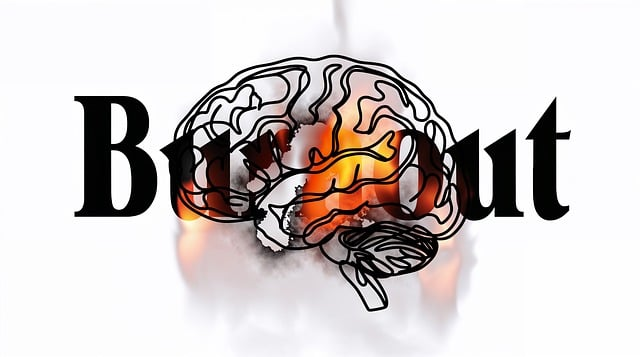
The Hustle Culture Myth
Somewhere along the way, “hustle harder” became the default advice for anyone struggling with their online business.
Can’t grow your traffic? Publish more. Revenue flat? Add another income stream. Feeling overwhelmed?
Just optimize your workflow and squeeze more into each day.
The data tells a different story. Research shows that employee burnout has reached an all-time high of 66% in 2025, according to Modern Health and Forbes.

More than 76% of workers experience burnout at least occasionally, with 28% reporting they feel burned out “very often” or “always.”
For bloggers and content creators specifically, the pressure is even more acute.
Unlike traditional employment where there’s at least some separation between work and identity, your blog often feels like an extension of yourself.
When it struggles, you struggle. When growth stalls, your sense of worth can stall with it.
The hustle culture response to this? Work through it. Post through the pain. Fake enthusiasm until it becomes real.
This is not sustainable advice. This is a recipe for creative destruction.
The Comparison Trap
Social media shows us highlight reels. We see the blogger celebrating 100,000 subscribers. We see the course creator announcing a six-figure launch.
We see the content calendar templates from someone who apparently has their entire life organized into color-coded perfection.
What we don’t see: the months of struggle before that milestone. The failed launches that preceded the successful one.
The anxiety attacks, the self-doubt, the days when even the “successful” creators couldn’t bring themselves to open their laptops.
The comparison trap creates a double burden. First, it makes your own struggles feel like personal failures rather than normal parts of the journey.
Second, it creates an ever-moving target—no matter what you achieve, someone else’s highlight reel will make it feel insufficient.
Consider this: 59% of creators say burnout is having a negative impact on their careers, and 58% say it’s affecting their overall wellbeing.
Behind every polished Instagram feed and successful blog, there are very real human beings fighting the same battles you’re fighting.
The Perfectionism Paralysis
Here’s a truth that took me years to accept: “good enough” published beats “perfect” unpublished. Every single time.
Perfectionism in blogging manifests in sneaky ways:
- Spending hours tweaking a headline instead of writing the next post
- Refusing to publish until every image is custom-designed
- Rewriting the same paragraph fifteen times
- Delaying launch until your website looks “professional enough”
- Comparing your early drafts to other people’s polished final products
Perfectionism is fear wearing a productivity mask.
It tells you that you’re maintaining standards when really you’re avoiding the vulnerability of putting imperfect work into the world.
The antidote isn’t lowering your standards—it’s recognizing that shipping consistently builds skills faster than perfecting occasionally.
Your 50th post will be better than your 5th, but only if you actually write posts 6 through 49.
The Shiny Object Syndrome
New social platform launches? Better establish a presence before it’s too late. AI tools revolutionizing content? Better learn them immediately or get left behind.
New SEO strategy going viral? Better pivot your entire approach.
The online business space moves fast, and there’s always something new demanding your attention.
This creates a particular kind of exhaustion—not from doing too much of one thing, but from constantly context-switching between incomplete initiatives.
You start building an email sequence, but then hear about a webinar strategy that sounds more effective.
You begin implementing that, but then discover a TikTok approach that’s working for others.
Before you know it, you have a dozen half-finished systems and no complete ones.
Each abandoned project carries hidden costs: the time invested, the mental energy spent learning, and perhaps most importantly, the quiet erosion of trust in yourself to follow through.
Part 2: The Reset Framework
Now that we understand why burnout happens, let’s talk about how to recover from it.
This isn’t about pushing through or hustling harder. It’s about strategically stepping back so you can move forward more sustainably.
The Reset Framework has four steps, and they must be done in order. Resist the urge to skip ahead—each step builds on the previous one.
Step 1: The Brain Dump
Your mind is not a storage system—it’s a processing system.
When you try to keep every idea, task, worry, and obligation in your head, you’re using cognitive resources meant for creative thinking just to remember what you’re supposed to be doing.
The brain dump is exactly what it sounds like: get everything out of your head and onto paper (or a digital document—whatever works for you).
Here’s how to do it effectively:
- Set a timer for 30 minutes. This creates urgency and prevents overthinking.
- Write down everything related to your blog: posts you’ve been meaning to write, technical tasks, email responses you owe, growth strategies you’ve been considering, worries about traffic, ideas for monetization—all of it.
- Don’t organize as you go. Just dump. Organization comes later.
- Include emotional items too. “Feeling guilty about not posting” is as valid as “Write product review post.”
- When the timer ends, take a break. Walk away from the list for at least an hour.
What you’ll likely discover is that the overwhelming fog in your mind was actually a finite list of items.
Seeing them on paper transforms them from an amorphous cloud of stress into specific, addressable things.
Pro tip: AI can serve as a thinking partner during this process. If you struggle to articulate what’s weighing on you, try having a conversation with an AI assistant. Sometimes explaining your situation to another “entity”—even a digital one—helps clarify your own thinking.
Step 2: The Ruthless Audit
Now comes the harder part. Look at your brain dump list and ask one question about each item: “Is this actually moving the needle?”
Most bloggers, when they’re honest with themselves, discover that perhaps 20% of their activities drive 80% of their results. The other 80% of activities?
They feel productive but don’t actually contribute to growth, revenue, or fulfillment.
Create three categories:
Category A: High Impact — These activities directly result in traffic growth, revenue, audience connection, or personal satisfaction. Examples might include: writing cornerstone content, engaging with your email list, creating content that addresses reader pain points.
Category B: Necessary but Low Impact — These need to happen but don’t directly drive results. Examples: basic website maintenance, responding to routine emails, minimum social media presence. The goal here is efficiency, not excellence.
Category C: Low Value — Be honest. These might include: excessive social media scrolling disguised as “research,” endless tweaking of designs that are already good enough, reading about blogging instead of actually blogging, comparing yourself to other creators.
The audit isn’t about judgment. It’s about clarity. Once you see where your time actually goes versus where it should go, you can make intentional adjustments.
Step 3: The Permission Slip
This might be the most important step, and it’s the one most bloggers skip.
Look at your Category C list. Now give yourself explicit permission to stop doing those things. Not “do them less.” Not “be more efficient about them.” Stop.
Write it down if you need to. “I give myself permission to:”
- Not post on social media every day
- Use a simple website theme instead of a custom design
- Publish posts that are good enough rather than perfect
- Ignore the latest platform/tool/strategy until I have bandwidth
- Take a break without guilt
- Say “no” to collaborations that don’t align with my current capacity
The permission slip isn’t about lowering your ambitions.
It’s about recognizing that you can’t do everything at once, and trying to do so is exactly what created the burnout you’re trying to escape.
Remember: When creators were asked what could help prevent burnout, 38% said setting work-life boundaries would benefit them.
Your permission slip is the first step in establishing those boundaries.
Step 4: The Foundation Rebuild
With your list audited and your permission slip signed, it’s time to identify your non-negotiables—the absolute minimum activities that keep your blog alive and moving forward.
For most bloggers, this comes down to just two or three things:
- Publishing content (even if less frequently than before)
- Connecting with your audience (email, comments, or one chosen platform)
- One growth activity (SEO, Pinterest, collaborations—pick ONE)
That’s it. That’s your foundation. Everything else can be added back later, once the foundation is stable and you have energy to spare.
This might feel like regression. You might worry that scaling back will undo all your progress.
But here’s the truth: an inconsistent blog posting ten things sporadically is less effective than a consistent blog posting three things reliably.
Your readers would rather hear from you predictably than brilliantly-but-randomly.
Part 3: Signs You Need a Reset (Self-Assessment)
Sometimes we’re so deep in burnout that we don’t recognize it for what it is. We tell ourselves we’re just tired, or going through a slump, or dealing with external circumstances.
Here’s a self-assessment to help you gauge where you actually are. Be honest with yourself—no one’s watching.
Physical Signs
☐ You feel exhausted even after a full night’s sleep
☐ You experience tension headaches regularly, especially when thinking about your blog
☐ Your sleep is disrupted by racing thoughts about content, growth, or to-do lists
☐ You’ve noticed changes in appetite or eating patterns
☐ You feel physical dread when you sit down to work on your blog
Emotional Signs
☐ You feel resentment toward your blog—something you once loved
☐ Creative ideas that once excited you now feel like obligations
☐ You feel anxious or guilty when you’re NOT working on your blog
☐ You experience impostor syndrome more intensely than before
☐ You feel emotionally numb about achievements that would have thrilled you before
Behavioral Signs
☐ You procrastinate on blog tasks you used to tackle eagerly
☐ You avoid looking at analytics, emails, or comments
☐ You spend more time planning than doing
☐ You’ve started and abandoned multiple new strategies or tools
☐ You find yourself doom-scrolling instead of working
Scoring yourself:
- 0-3 checks: You’re experiencing normal creative fluctuation. A short break might help.
- 4-7 checks: You’re in early-stage burnout. The Reset Framework is designed for you.
- 8-12 checks: You’re in significant burnout. Prioritize the Reset Framework, and consider whether you need additional support (therapy, coaching, or time away).
- 13+ checks: You’re in crisis. Please prioritize your wellbeing over your blog. The blog will still be there when you’re ready. You need rest and possibly professional support first.
Part 4: Your First Week After the Reset
You’ve completed the Reset Framework. You have clarity on what matters and permission to release what doesn’t. Now what?
Here’s a gentle re-entry plan for your first week back.
Days 1-2: Rest and Reflection
Yes, actually rest. This isn’t a trick or a setup for “now work twice as hard.” You’ve been running on fumes; your creative reserves are depleted.
During these two days:
- Don’t open your blog dashboard
- Don’t check analytics
- Don’t read about blogging strategies
- Do whatever genuinely refreshes you—nature, fiction books, time with loved ones, hobbies unrelated to your online presence
If thoughts about your blog intrude, acknowledge them and let them pass. Write them in a notebook if needed, then set the notebook aside.
This rest isn’t unproductive—it’s essential. Your brain needs time to process, consolidate, and recover. Ideas that feel impossible during burnout often feel manageable after genuine rest.
Days 3-4: Identify Your Single Most Important Activity
From your Category A list (high-impact activities), choose ONE thing. Not three. Not “a few.” One.
Ask yourself: “If I could only do one thing for my blog this week, what would have the biggest positive impact?”
For most bloggers, this is creating content. Not promoting content. Not optimizing content. Not designing graphics for content. Creating content.
Spend these two days doing only that one thing. If you chose content creation, write. If you chose email connection, write emails.
Whatever it is, give it your focused attention without guilt about everything you’re not doing.
You might be surprised how much you can accomplish when you’re not simultaneously worrying about seventeen other tasks.
Days 5-7: Create One Simple System
Choose one system that will reduce your ongoing cognitive load. This might be:
- A simple content calendar (just titles and dates, nothing elaborate)
- An email template for common responses
- A basic time block for your blogging hours
- An automation for one repetitive task
The key word is simple. If your system requires an instruction manual, it’s too complicated. The best systems are ones you’ll actually use.
By the end of week one, you should have: rested, completed one high-impact activity, and established one simple system. That’s enough. That’s more than enough.
Part 5: Moving Forward—What Comes Next
The Reset Framework isn’t a one-time fix. It’s a tool you can return to whenever you feel the familiar creep of overwhelm.
But beyond the reset itself, there are principles that will help you build a more sustainable blogging practice going forward.
Sustainable Beats Intensive
The tortoise really does beat the hare in blogging.
A blogger who publishes one quality post per week for two years will build more authority, traffic, and trust than someone who publishes daily for three months and then disappears.
When you’re tempted to push yourself into an intensive sprint, ask: “Can I maintain this pace for the next year?” If the answer is no, recalibrate.
This doesn’t mean you can never have intense periods. Launch weeks happen. Seasonal pushes make sense for some niches.
But these should be planned exceptions, not your default operating mode.
The Compound Effect of Small Actions
James Clear writes about the power of 1% improvements in Atomic Habits. The principle applies perfectly to blogging.
One post per week doesn’t feel impressive. One email to your list doesn’t feel like growth. One small improvement to your website doesn’t feel transformative.
But compound these over time:
- 52 posts in a year
- 52 touchpoints with your email subscribers
- 52 small improvements to user experience
That’s how blogs become authorities. Not through viral moments (which are unpredictable and often fleeting) but through consistent, sustainable effort over time.
Preview: The Productivity Systems Ahead
Once you’ve completed your reset and established a sustainable baseline, you might be ready for more structured productivity systems. Future posts in this series will cover:
- Time Blocking for Bloggers — how to protect your creative energy and turn chaos into consistent output
- Content Batching — how to create a month’s worth of posts in a single week (perfect for those who work in inspiration bursts)
- The Blogger’s Automation Toolkit — reducing manual tasks so you can focus on what matters
- AI as Your Blogging Partner — workflows that multiply your output without losing your voice
But those systems are for later—after your foundation is stable. Trying to implement advanced productivity strategies while burned out is like trying to run a marathon with a broken leg. Heal first. Optimize later.
Frequently Asked Questions
How do I know if I’m burned out or just tired?
Tiredness resolves with rest. If you take a weekend off and feel refreshed Monday, you were tired. Burnout doesn’t resolve with short rest—it’s characterized by persistent exhaustion, cynicism toward work you once loved, and a sense of reduced effectiveness even when you are working. If a few days of rest don’t restore your enthusiasm, you’re likely dealing with burnout.
Can I reset without losing momentum?
Yes, but it requires redefining what “momentum” means. Many bloggers mistake frantic activity for momentum. True momentum is sustainable forward motion. A strategic reset that results in consistent, manageable output actually builds more momentum than erratic bursts followed by silence. Your audience would rather see you post once weekly for years than daily for a month before disappearing.
What if I can’t afford to take time off from my blog?
First, examine whether this is actually true or whether it’s fear speaking. Most blogs can survive a week of reduced activity. That said, if your blog is your primary income, the Minimum Viable Blog Week concept (covered in a future post) might help. The idea is identifying the absolute minimum actions needed to maintain income while you recover—often much less than you think.
How long does a proper reset take?
The Reset Framework itself (brain dump, audit, permission slip, foundation rebuild) can be completed in a day. However, recovery from significant burnout takes longer—typically 2-4 weeks of operating at reduced capacity before you feel genuinely restored. Don’t rush this. Trying to shortcut recovery usually just leads to another crash later.
What if my burnout is related to financial pressure?
This is real and valid. When your blog is your income, the pressure intensifies burnout rather than allowing recovery. In this case, focus your limited energy on the highest-revenue activities first. Consider whether there are ways to temporarily reduce expenses or access other income while you recover. Financial coaching or therapy can also help you work through the specific anxieties around money and work.
Should I tell my audience I’m taking a break?
This is personal, but transparency often works well. A simple “I’m taking a short break to recharge” builds trust rather than damaging it. Most readers will respect your humanity and might even appreciate seeing that you prioritize sustainability over constant hustle. You don’t need to overshare—just acknowledge that you’re human.
What if I’ve been burned out for a long time?
Long-term burnout may indicate deeper issues—perhaps the niche isn’t right for you, the business model isn’t sustainable, or there are personal factors that need addressing beyond productivity strategies. Consider working with a therapist or coach who can help you explore these possibilities. Sometimes burnout is your mind’s way of telling you something fundamental needs to change.
How do I prevent burnout from recurring?
The systems we’ll cover in future posts—time blocking, batching, automation, and sustainable workflows—are designed to prevent burnout, not just recover from it. The key is building these systems before you need them. Regular “maintenance” resets (perhaps quarterly) can also help you catch early warning signs before they become full burnout.
Final Thoughts: You Are Not Your Blog
Here’s something that took me far too long to learn: your worth as a person is completely independent of your blog’s success.
Your traffic numbers don’t define you. Your subscriber count doesn’t determine your value. Your revenue doesn’t measure your contribution to the world.
Your blog is something you do. It is not who you are.
When you internalize this—truly internalize it, not just intellectually acknowledge it—burnout loses much of its power.
You can take a break without feeling like you’re losing yourself. You can scale back without feeling like you’re shrinking as a person.
You can even walk away entirely if that’s what your life requires, and you will still be whole.
The Reset Framework is designed to help you rebuild a sustainable blogging practice.
But more than that, it’s designed to help you reclaim your relationship with your creative work—to move from resentful obligation back to genuine enthusiasm, or at least calm productivity.
You started this journey for a reason.
That reason is still valid, even if it’s been obscured by exhaustion and overwhelm.
The reset is about clearing away the noise so you can reconnect with why you’re here in the first place.
Take the time you need. Do the work of recovery. And when you’re ready, we’ll talk about building systems that let you create sustainably for years to come.